Introduction
Where poetry, drama, rap and stand-up meet on stage: three minutes, five judges, raw honesty.
Slam poetry is a genre — and an event — of performance in which the participants present their own work, blending elements of poetry, drama, rap and stand-up. Each performer has three minutes plus a 15-second grace period, and a five-member jury, usually picked from the audience, scores the performers — the slammers. Slammers may not use costumes or props during their performance. The jury typically uses a numeric score, for example a scale from zero to ten. The aim is to involve the audience, to make an impact, to make people think.
History
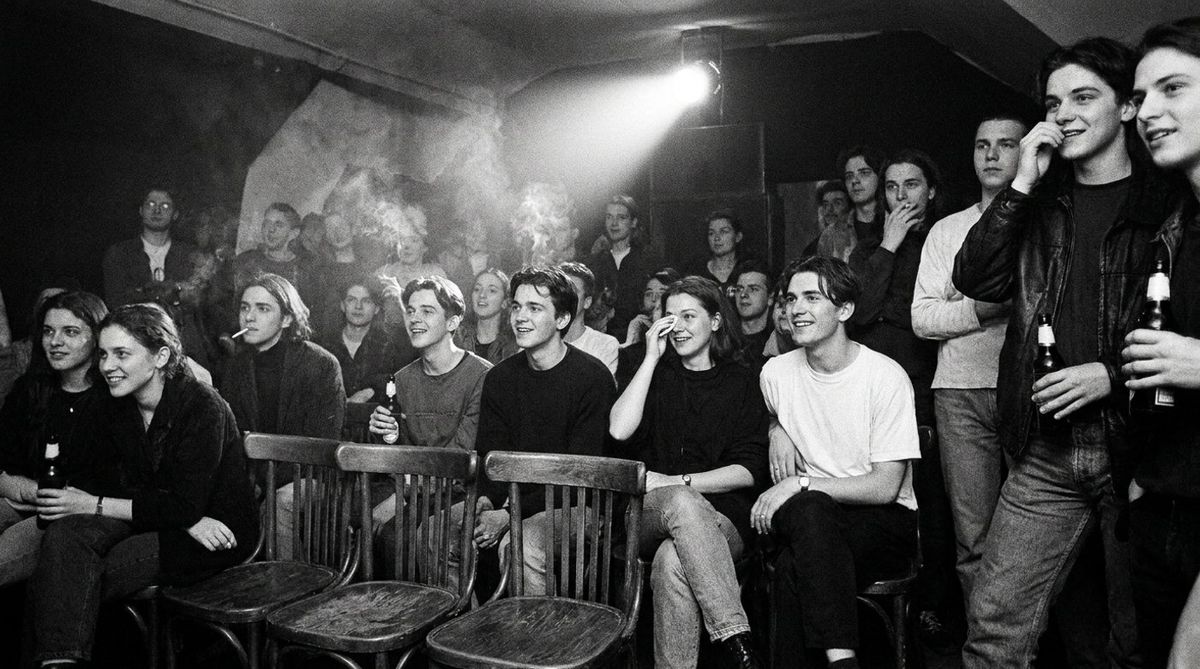
The history of slam poetry began in 1984, when a construction worker named Marc Smith — a self-styled poet — and his friends organised reading nights at their favourite club to entertain one another. Later the organisers invited several teams to the event, which grew into a more serious competition. The emphasis was no longer on the mood of the poems, but much more on the performance. At larger nights, when several teams or individuals competed, the whole thing turned into a kind of duel in which the audience had the final word. Slam poetry then spread around the world — to several European countries, Japan, South Korea, India and elsewhere. In Hungary it gained wider publicity from the 2010s onwards, primarily among the young urban intelligentsia.
How it works
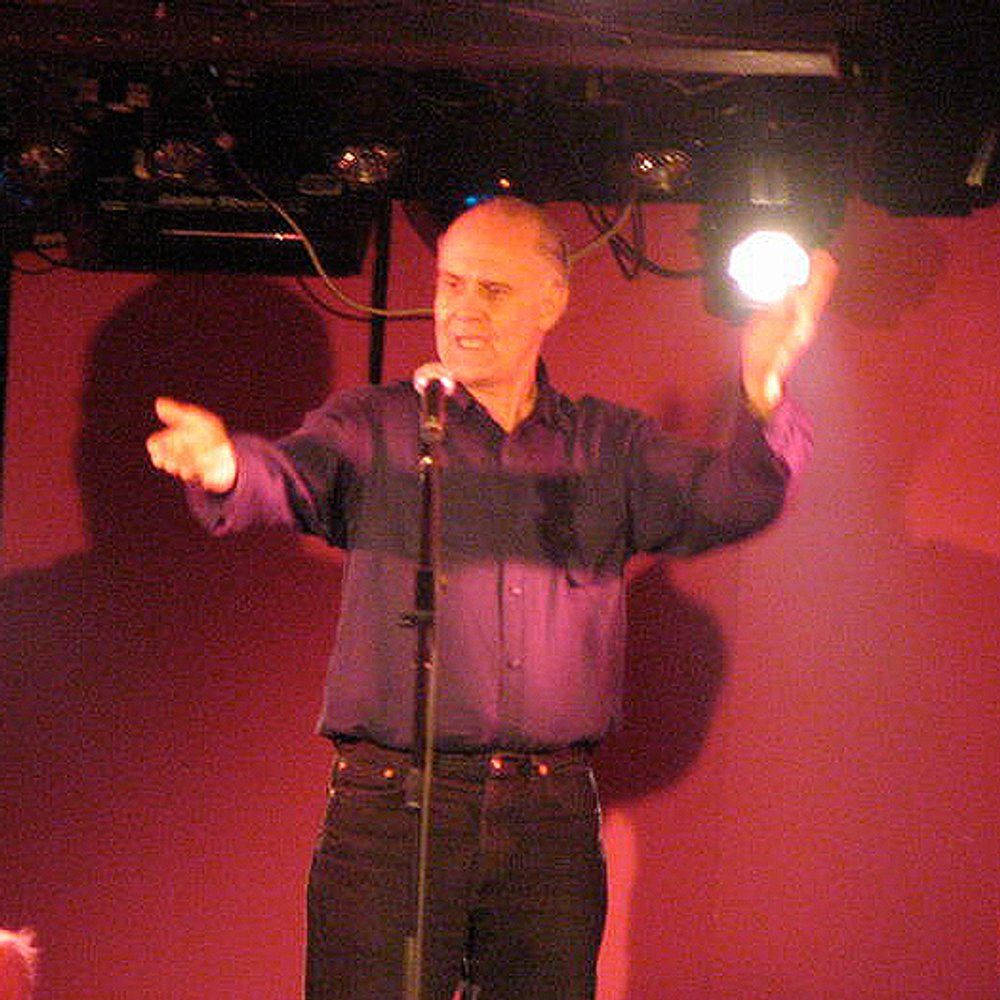
In Hungary the club nights are decided in a single-round competition. The annual national championship is preceded by qualifiers leading up to the final, where a professional jury — joined by a randomly selected member of the audience — decides who advances. The national championship is decided over two rounds. In the first rounds several teams or individuals may perform; they are scored, and those who advance take part in the following rounds. Pieces must be performed in no more than three minutes, with the best possible performance. The chosen jury and the audience decide what happens next.
Types
- Open Slam: An open slam — anyone can take part, even from the audience.
- Invitational Slam: An invitation-only competition where pre-selected slammers compete.
- Showcase: A non-competitive showcase performance, usually featuring invited slammers.
- Theme Slam: Here the slams must be written on a predetermined theme.
- Team Slam: A joint performance by two or more people. The time limit in this case is 4 minutes plus a 15-second grace period.
Sources
- Slam Poetry Magyarország, slampoetry.hu
- Irodalmi Jelen Slam School Poetry, irodalmijelen.hu
- The Wikimedia Commons category “Free slam videos from Hungary”
- Szabadka – The Irodalmi Jelen Slam School Poetry competition, István Szabó, Subotica, 2013, youtube.com
- Marc Smith – How to stage a Poetry Slam